From Spinning Discs to Storyboards: How Animation Began
When we watch an animated movie or play a video game today, it’s easy to forget how far the art of animation has come. Smooth characters, dramatic camera moves, and expressive faces are the result of centuries of experimentation. To understand animation, it helps to look back at the earliest attempts people made to bring still images to life.
Pre-Cinema Inventions
Long before film or digital tools existed, artists and inventors were fascinated with the illusion of motion. Three devices stand out:


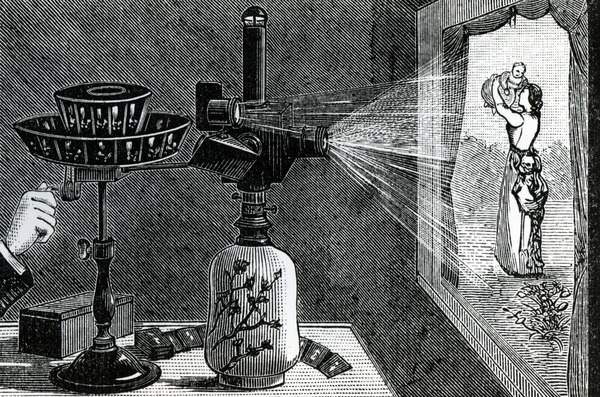
These pre-cinema technologies may look simple today, but they opened the door for animation by showing that a sequence of still images could create the illusion of life.
Principles of Animation: Squash and Stretch
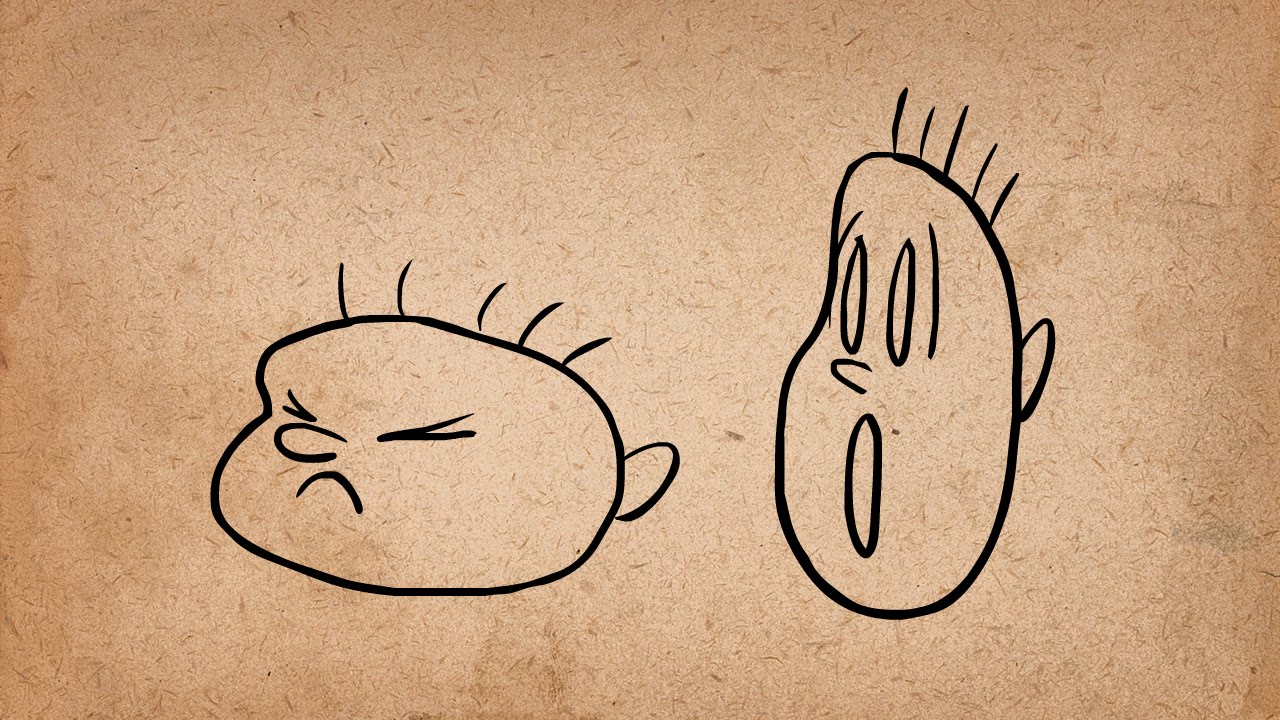
Fast forward to the 20th century, when studios like Disney refined animation into a professional art form. One of the most important discoveries was the principle of Squash and Stretch.
Imagine a rubber ball bouncing. When it hits the ground, it squashes down. When it rebounds into the air, it stretches out. Without these changes in shape, the ball would look stiff and unnatural. Squash and stretch communicate weight, flexibility, and even emotion. A character’s face might squash when surprised or stretch when yelling.
This principle became the foundation for all character animation, from classic cartoons like Steamboat Willie to modern 3D films like Toy Story or Spider-Man: Into the Spider-Verse.
From Animation to Storyboards
Once animators understood how to bring drawings to life, they faced another challenge: how to plan stories visually. That’s where storyboards came in. A storyboard is like a comic strip of a film. Each panel shows what the camera will see.
Understanding camera shots is key to making storyboards work:
-
Extreme Wide Shot (EWS): Shows a large environment, like a desert or cityscape. Useful for setting the scene.
-
Wide Shot (WS): Shows a character from head to toe, giving context and body language.
-
Medium Shot (MS): Frames the character from the waist up, often used in conversations.
-
Close-Up (CU): Focuses on the face or a detail, showing emotion or importance.
-
Extreme Close-Up (ECU): Pushes in even further—for example, showing only the eyes to build intensity.
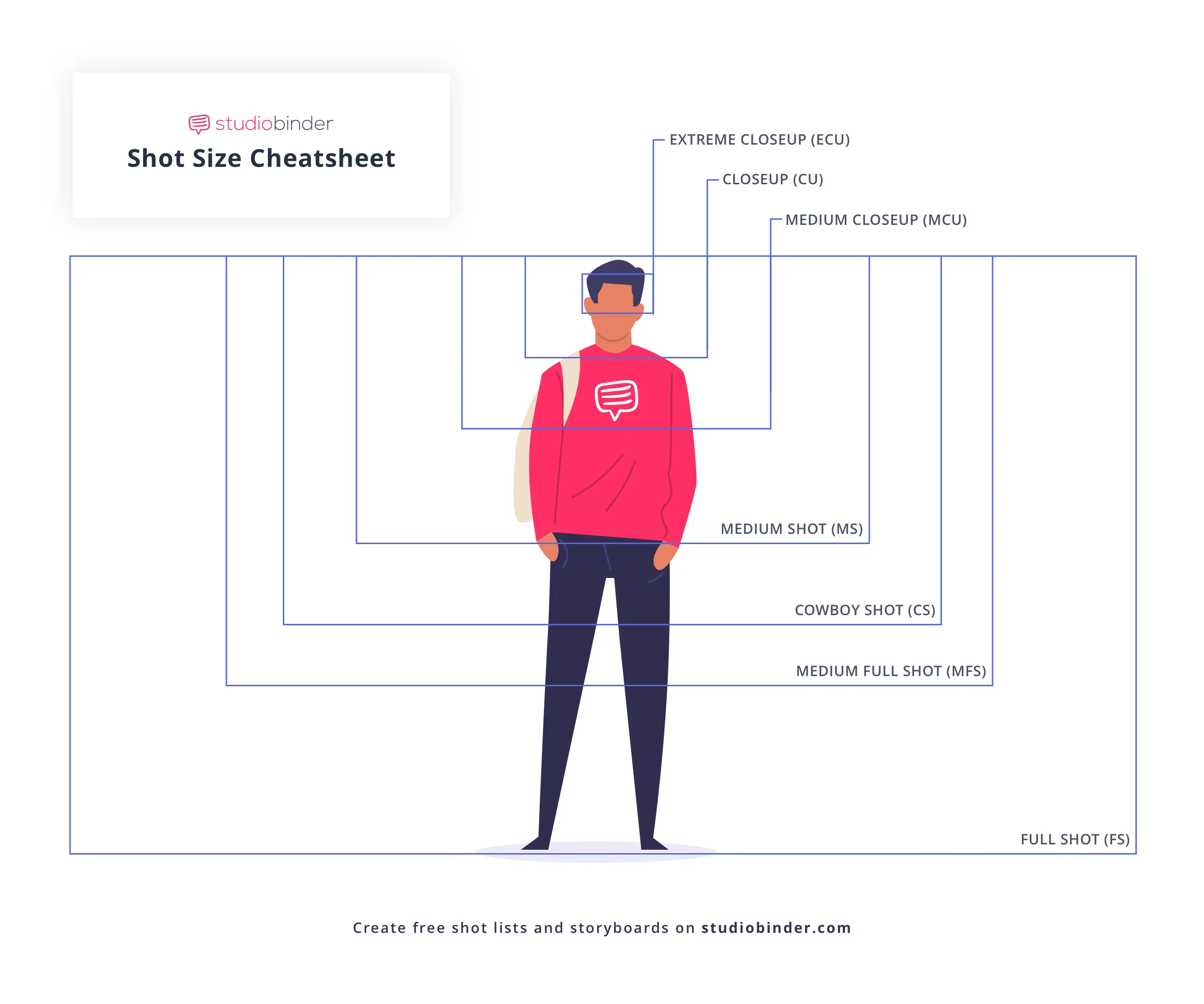 |
| StudioBinder example of common CAMERA SHOT TYPES |
By combining these shots, animators can guide the audience’s emotions and attention. Just as squash and stretch make characters feel alive, smart storyboard composition makes stories feel clear and powerful.
Why It Matters
Animation isn’t just about moving drawings—it’s about storytelling. From the spinning discs of the zoetrope to the planned shots of a storyboard, the goal has always been the same: to create the illusion of life and share ideas with an audience. As you explore Wick Editor and other tools, remember that you’re part of this long tradition of experimentation. Every frame you draw is a step in the same journey that began centuries ago.
